

 Call Us Now
 Email Us Now


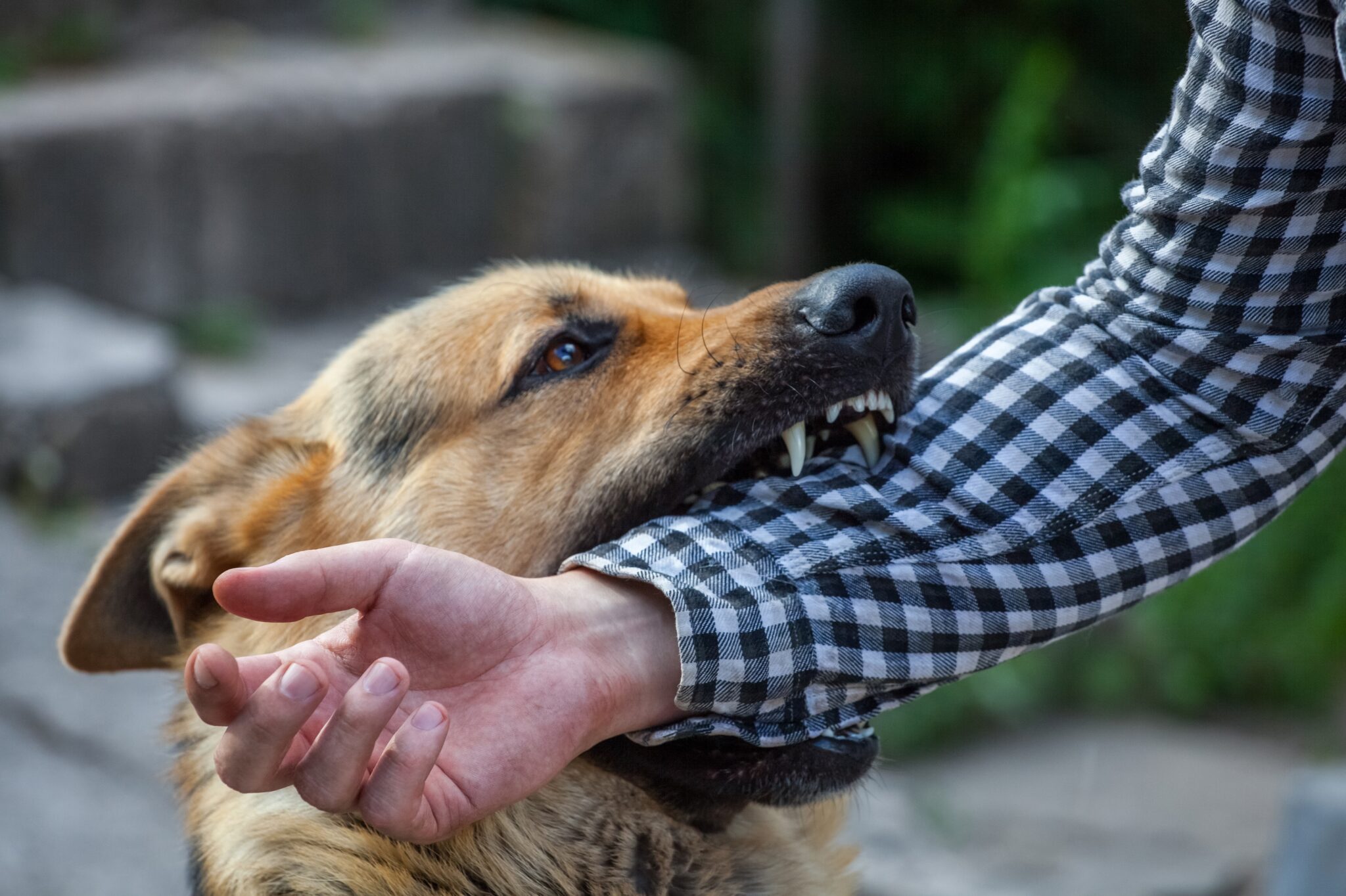
- Homeowner policies often include liability protection for dog bite injuries.
- Coverage can depend on policy limits, exclusions, and the circumstances of the incident.
- Strong documentation can make the dog bite claim process easier to evaluate.
There are 4 times as many dog bite-related emergency department (ED) visits and 3 times as many hospital stays in rural areas like Southeast Iowa as opposed to larger metropolitan areas.
Dog bites can lead to emergency care, scarring, lost income, and lasting emotional distress. In many cases, dog bite insurance coverage comes from the dog owner’s homeowner policy. However, every policy is different, so victims should not assume an insurer will automatically pay the full value of a claim. In some cases, injuries can require unique care and create a need for significant compensation, beyond what the insurer may be willing to pay.
When Homeowner’s Insurance May Apply
Personal liability coverage may help pay for medical bills, lost wages, pain and suffering, and other covered losses. A homeowner’s insurance dog bite claim may cover eligible losses and legal expenses up to the policy’s limits. Iowa law generally holds dog owners responsible when their dog attacks or attempts to bite someone, unless the injured person was committing an unlawful act that directly contributed to the injury.
What Can Limit Coverage?
Coverage is not unlimited. An insurer may dispute the claim because of a breed restriction, a dog-specific exclusion, or another policy term. If damages exceed the available dog-bite liability insurance coverage, the owner may be personally responsible for the remaining amount.
In a major personal injury case resolved on May 4, 2026, a Johnson County woman secured a $300,000 settlement following a vicious dog attack. The victim was subjected to a sudden, aggressive attack that resulted in severe, debilitating hand injuries.
How the Dog Bite Claim Process Works
After a bite, seek medical care and report the incident. Take photos of the injuries, the location, and the dog when it is safe to do so. Save medical records, receipts, witness information, and communications with the owner or insurer. Avoid giving a recorded statement or signing a release before understanding the claim’s full value.
Unique Circumstances
In cities like Cedar Rapids, Iowa City, and Davenport, a large portion of the population rents. When a tenant’s dog bites someone, victims often try to sue the landlord because landlords have homeowners/commercial insurance.
- Real-Life Defense Trend: Across Eastern Iowa district courts, lawsuits against landlords are routinely thrown out on summary judgment due to a lack of documentation.
- Why they get thrown out: To hold an Eastern Iowa landlord liable for a tenant’s dog bite, the victim must document that:
- The landlord knew the dog was kept on the property.
- The landlord knew the dog was vicious before the attack.
- The landlord had the legal authority to remove the dog but failed to do so.
- If the victim’s attorney cannot produce documented evidence—such as written tenant complaints to the landlord, lease violations, or animal control letters sent to the landlord—the judge will throw the landlord out of the lawsuit, leaving the victim to collect only from the tenant, who often has no insurance or assets.
Cornell Injury Law helps injured people review coverage, identify responsible parties, and pursue fair compensation. Contact our team for a free consultation before accepting an insurance offer.